
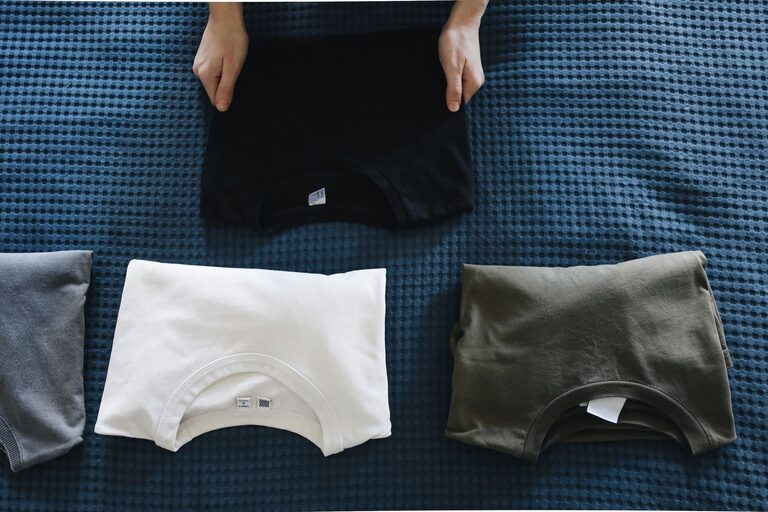
Clothing can last much longer when it receives the right care. Small changes to your laundry routine, storage habits, and daily use can help prevent fading, shrinking, stretching, and unnecessary wear. Caring for clothes also reduces waste and helps you get more value from every item in your wardrobe.
Read the Care Label First
Care labels provide the best starting point for cleaning and maintaining a garment. Before washing a new item, check the recommended water temperature, cycle, drying method, and ironing instructions.
Common care symbols and instructions may tell you to:
– Wash with cold or warm water
– Use a gentle or delicate cycle
– Hand wash the item
– Avoid bleach
– Air-dry instead of using a dryer
– Dry-clean the garment
– Iron at a low, medium, or high temperature
If you are unsure about an unfamiliar fabric, choose the gentlest suitable method. A cooler wash, mild detergent, and air-drying are often safer than using high heat or strong cleaning products.
Wash Clothes Only When Needed
Washing too often can shorten the life of clothing. Water, detergent, heat, and friction gradually weaken fibers and cause colors to fade. Not every item needs to be washed after a single use.
Items such as jeans, sweaters, jackets, and casual pants can often be worn several times before washing, unless they are visibly dirty or have an odor. Shirts, socks, underwear, workout clothing, and heavily worn items usually need more frequent washing.
To keep clothes fresh between washes:
– Air them out after wearing
– Hang them in a well-ventilated area
– Treat small stains promptly
– Use a fabric brush to remove lint or surface dirt
– Fold knitwear instead of hanging it
This approach can reduce wear while keeping your wardrobe clean and comfortable.
Sort Laundry Carefully
Sorting laundry helps prevent color transfer and protects delicate fabrics. Separate clothes by color, fabric type, and washing needs.
At a minimum, sort items into:
– Whites and light colors
– Dark colors
– Bright or strong colors
– Towels and sturdy fabrics
– Delicate items
Wash new dark or brightly colored garments separately the first few times, as they may release excess dye. Keep clothing with zippers, hooks, and rough fasteners away from delicate items. Fasteners can catch on fabric and cause pulls or snags.
Turn dark clothing, printed shirts, and jeans inside out before washing. This helps protect the outer surface from friction and may reduce fading.
Use the Right Amount of Detergent
More detergent does not always mean cleaner clothes. Using too much can leave residue on fabric, make clothes feel stiff, and require additional rinsing. Follow the instructions on the detergent package and adjust the amount for the size of the load and the level of dirt.
Choose a detergent designed for the fabric and color whenever possible. A mild detergent is a good choice for delicate garments. Avoid using bleach unless the care label allows it, since bleach can weaken fibers and damage colors.
Do not overload the washing machine. Clothes need room to move through the water for an effective clean. An overly full machine also creates more friction and may leave items poorly rinsed.
Choose Cooler Water and Gentle Cycles
Hot water can cause shrinking, fading, and damage to some fabrics. Cold or cool water is usually suitable for everyday laundry and is gentler on clothing. Warm or hot water may be useful for certain heavily soiled items, but always follow the care label.
Select a gentle or delicate cycle for lightweight fabrics, lace, fine knits, and items with decorative details. Use a regular cycle for sturdy everyday clothing and a heavier cycle only when necessary.
For delicate items, place them in a mesh laundry bag. Close zippers and fasteners before washing, and remove removable belts or accessories when possible.
Treat Stains Quickly
Fresh stains are usually easier to remove than old, dried stains. Gently blot a spill with a clean cloth rather than rubbing it deeply into the fabric. Rubbing can spread the stain and damage the fibers.
Before applying a stain remover, test it on a hidden area. This is especially important for dark, bright, or delicate fabrics. Follow the product instructions and avoid mixing cleaning products.
Helpful habits include:
– Blot liquid spills as soon as possible
– Scrape off solid residue with a dull edge
– Use cool water for many protein-based stains
– Avoid setting a stain with a hot dryer
– Check the garment before drying
If a stain remains after washing, treat it again before placing the item in the dryer. Heat can make some stains much harder to remove.
Dry Clothes With Less Heat
High dryer temperatures can shrink clothing, weaken elastic, and damage delicate fibers. Whenever possible, air-dry garments on a drying rack or clothesline. Keep brightly colored items out of strong direct sunlight to reduce fading.
When using a dryer:
– Choose a lower heat setting
– Remove clothes while they are slightly damp
– Do not overload the drum
– Clean the lint filter after each load
– Dry similar fabrics together
Shake garments gently before hanging or laying them flat. This can reduce wrinkles and help clothing keep its shape. Sweaters and other heavy knits should usually dry flat because hanging them while wet may cause stretching.
Store Each Item Properly
Good storage helps prevent wrinkles, stretching, dust, and musty odors. Use sturdy hangers for coats, jackets, shirts, and structured garments. Avoid thin wire hangers, which can leave marks or distort shoulders.
Fold items that may stretch, including:
– Sweaters
– Heavy knits
– T-shirts
– Sweatshirts
– Stretch fabrics
Do not pack drawers or shelves too tightly. Clothes need room for air circulation, and overcrowding can create deep wrinkles. Store clean, completely dry clothing in a cool, dry place. Damp clothing can develop an unpleasant odor or encourage mildew.
For seasonal clothing, wash or clean each item before storing it. Use breathable storage bags or containers, and avoid sealing garments away while they are damp. Check stored clothes occasionally for moisture, insects, or damage.
Repair Small Problems Early
A loose button, tiny hole, or small pulled thread can become a larger problem if ignored. Keep a basic repair kit with needles, thread, spare buttons, small scissors, and safety pins.
Simple repairs include:
– Sewing on a loose button
– Securing a small seam
– Trimming a loose thread
– Replacing a worn shoelace
– Mending a small tear
– Reinforcing a pocket or hem
Avoid cutting a pulled thread from the middle of a garment. If possible, gently pull it to the inside and secure it. For valuable, tailored, or complicated items, consider taking them to a skilled tailor or repair professional.
Rotate Your Wardrobe
Wearing the same few items repeatedly causes them to experience more friction, washing, and stretching. Rotating your wardrobe gives clothing time to rest and helps distribute wear more evenly.
Organize your closet so that all suitable items are easy to see. You are more likely to wear a wider range of clothing when pieces are accessible. Use a simple rotation system for workwear, casual clothing, and seasonal items.
Handle clothes gently when dressing and removing them. Pulling hard on collars, cuffs, and waistbands can gradually change their shape.
Build Better Clothing Habits
Long-lasting clothing care does not require complicated equipment. A few consistent habits make the biggest difference:
– Follow care labels
– Wash only when needed
– Use cool water and mild settings
– Air-dry delicate or valuable items
– Treat stains promptly
– Store garments clean and dry
– Repair minor damage early
– Rotate items regularly
With thoughtful care, everyday clothing can remain comfortable, attractive, and useful for much longer. The key is to reduce unnecessary heat, friction, moisture, and harsh cleaning while giving each garment the care its fabric requires.
