
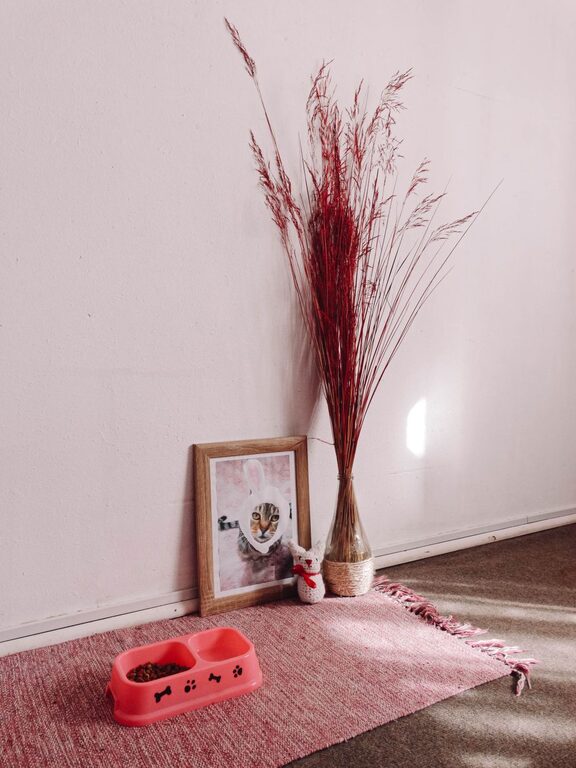
A pet-friendly home corner gives your animal a comfortable place to rest, eat, play, and feel secure. It also helps keep pet supplies organized and reduces clutter in the rest of your home. Whether you live in a large house or a small apartment, a thoughtfully planned corner can make daily life easier for both you and your pet.
You do not need expensive furniture or a complete room makeover. With the right location, a few practical supplies, and regular cleaning, you can create a welcoming space that fits your home and your pet’s habits.
Choose the Right Location
Start by observing where your pet naturally spends time. Many pets prefer to be near their people, while others enjoy a quiet spot away from busy walkways. The best location should be easy for your pet to access and simple for you to maintain.
Look for a corner that is:
– Away from strong drafts and direct heat
– Not directly beside a noisy appliance
– Easy to reach and clean
– Large enough for a bed, mat, or crate
– Near the family’s usual living area
– Clear of cables, sharp edges, and small objects
Avoid placing the corner in a narrow hallway, directly beside a door, or in an area with heavy foot traffic. These locations may make pets feel unsettled and can create a tripping hazard for people.
For cats, consider using vertical space as well as floor space. A small cat tree, shelf, or window perch can make a compact area more interesting. For dogs, a floor-level bed or crate is usually more suitable.
Create a Comfortable Resting Area
A comfortable bed is the foundation of a pet-friendly corner. Choose one that matches your pet’s size and sleeping style. Some pets prefer raised sides for support, while others like flat mats that allow them to stretch out.
Consider these features when choosing a bed:
– A washable cover
– Durable, pet-safe fabric
– Enough room to turn around comfortably
– A non-slip bottom
– Padding appropriate for your pet’s age and habits
Place the bed on a rug or mat if the floor is slippery. This can make it easier for pets to stand up and settle down. A washable mat also protects flooring from dirt, shed fur, and occasional spills.
If your pet uses a crate, treat it as a quiet retreat rather than a place for punishment. Add a comfortable pad and leave enough ventilation. Keep the crate door open when appropriate so your pet can choose when to enter and leave.
Add Food and Water Stations
Food and water bowls can be part of the home corner, but they should be placed carefully. Keep them away from the bed so that sleeping and eating areas remain separate. A washable tray beneath the bowls can catch spills and make cleanup faster.
Choose bowls that are:
– Stable and difficult to tip over
– Easy to wash
– Made from pet-safe materials
– The right height and size for your pet
A dedicated water bowl should always be easy to reach. Check it regularly and refresh the water as needed. If your pet eats wet food or tends to make a mess, keep cleaning cloths and a small waste bin nearby.
For cats, place food and water away from the litter box. Many cats prefer these areas to be clearly separated. In homes with more than one pet, separate feeding spots may help reduce crowding and competition.
Organize Toys and Supplies
A few simple storage solutions can keep the corner neat. Use a basket, open bin, or low storage container for toys, leashes, grooming tools, and other everyday supplies. Choose a container that your pet cannot easily tip over or chew.
Sort items by how often you use them:
– Keep daily items within easy reach
– Store seasonal items separately
– Place grooming tools in a closed container
– Keep medications and cleaning products completely out of reach
– Discard damaged toys and worn supplies
A small hook mounted above the corner can hold leashes, harnesses, or waste-bag holders. Make sure the hook is secure and positioned high enough to prevent chewing or tangling.
Avoid overcrowding the space with too many toys. Rotating toys every few days can keep them more interesting while making the corner easier to clean.
Make Safety a Priority
Pet-friendly design should begin with safety. Look at the area from your pet’s point of view and identify anything that could be chewed, swallowed, knocked over, or pulled down.
Check for:
– Loose electrical cords
– Small decorative objects
– Toxic household products
– Unstable shelves or furniture
– Plants that may be unsafe for pets
– Exposed nails, screws, or sharp corners
– Small gaps where a pet could become stuck
Use cord covers or move cables behind furniture. Secure tall furniture to the wall if your pet may climb or bump into it. Avoid placing heavy objects on low shelves.
If you use gates or barriers, select one that is appropriate for your pet’s size and strength. Check it often for loose parts or damaged hinges.
Add Comfort Without Creating Clutter
A pet corner can be attractive while still serving a practical purpose. Choose colors and materials that fit your room, then add a few personal touches. A washable blanket, framed photo, or simple name label can make the area feel complete.
Keep decorations limited. Pets may knock over ornaments, pull at fabric, or chew decorative items. Choose sturdy accessories and avoid small pieces.
You can also improve comfort with:
– A soft blanket for cool days
– A fan-safe, well-ventilated location during warm weather
– A dimmer light or nearby lamp
– A familiar toy or comfort item
– A washable cover for the wall behind the bed
Do not place the bed directly in strong sunlight for long periods. A bright window may be appealing, but the area should also provide shade and a comfortable temperature.
Keep the Corner Clean
Regular cleaning protects your home and keeps the space pleasant. Build simple maintenance into your weekly routine.
A basic cleaning schedule might include:
Daily Tasks
– Refresh water
– Remove food crumbs
– Pick up toys
– Wipe visible spills
– Check for damaged items
Weekly Tasks
– Wash bowls
– Vacuum or sweep around the corner
– Wash blankets and bed covers
– Clean storage bins
– Wipe nearby walls and baseboards
Monthly Tasks
– Inspect furniture and hooks
– Replace worn toys
– Check the bed for loose seams
– Reorganize supplies
– Review whether the location still works well
Use cleaning products according to their labels and keep pets away from wet surfaces until they are dry. If your pet has sensitive skin or strong reactions to smells, choose mild, unscented household products whenever possible.
Adjust the Space Over Time
Your pet’s needs may change as they grow, become more active, or develop new habits. A young pet may need extra toy storage and stronger barriers, while an older pet may benefit from a thicker bed, easier access, and a non-slip surface.
Pay attention to how your pet uses the corner. If the bed is always avoided, try moving it to a quieter or more social location. If bowls are frequently pushed around, use a heavier set or a non-slip tray. If toys spill out of the bin, choose a wider container with a lower opening.
The goal is not to create a perfect display. It is to make a safe, comfortable, and useful area that supports your pet’s daily routine. With thoughtful placement and a few easy adjustments, even a small corner can become a favorite part of your home.
