
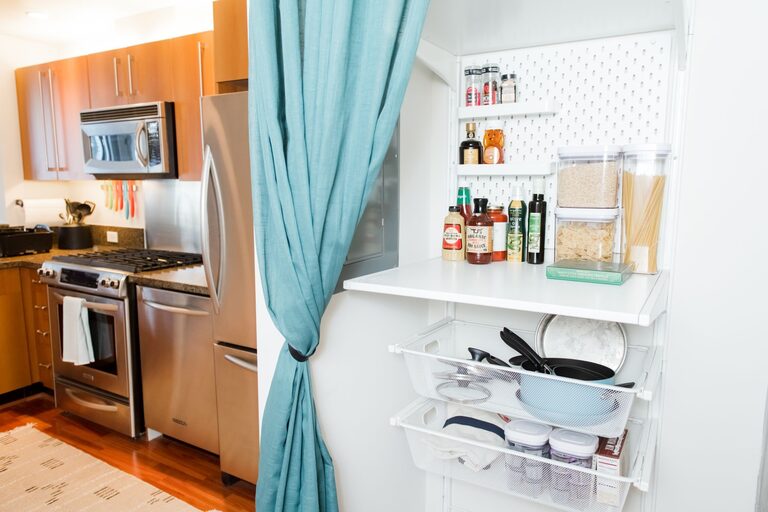
A tidy fridge and pantry can make everyday cooking easier, reduce food waste, and help you save time. When ingredients are easy to see and reach, you are more likely to use what you already have instead of buying duplicates or letting items get forgotten.
The key is not to create a perfect-looking space once. It is to build a simple system that is easy to maintain. With a few organizing habits and regular check-ins, your fridge and pantry can stay neat without requiring a major cleaning project every week.
Start With a Complete Reset
Before organizing, remove everything from your fridge and pantry. Working shelf by shelf can be helpful if you do not have enough counter space.
As you remove each item, sort it into a few groups:
– Keep and use soon
– Keep and store properly
– Donate, if unopened and suitable
– Recycle or discard
– Move to another storage area
Check dates, packaging, and the condition of each item. Look for spills, damaged containers, stale products, or duplicate ingredients. If you find several similar items, place them together so you can see how much you have.
For the fridge, place perishable foods in a cool area while you clean. Avoid leaving items at room temperature for longer than necessary.
Clean Before You Organize
A clean storage area is easier to organize and more pleasant to use. Wipe down fridge shelves, drawers, and door compartments with warm water and a mild household cleaner suitable for the surface. Dry everything thoroughly before returning food.
For the pantry, remove crumbs and dust from shelves and corners. A handheld vacuum or clean cloth can make this job quick. Wipe sticky areas and allow shelves to dry fully.
If a container has leaked, clean the container before putting it back. This prevents one small spill from becoming a larger mess later.
Use Shelf Liners Carefully
Shelf liners can help protect surfaces and make cleaning easier, especially in pantry areas. Choose liners that lie flat and are simple to remove. Avoid anything that curls, blocks air circulation, or makes containers unstable.
In the fridge, use trays or washable mats only if they are designed for cold storage and do not interfere with shelves or vents.
Create Zones in the Fridge
Assigning a purpose to each shelf or drawer helps everyone put food back in the right place. Your arrangement may vary depending on the size and design of your fridge, but these general zones work well:
– Ready-to-eat foods in one easy-to-reach area
– Dairy products together
– Fruits and vegetables in their drawers
– Drinks in the door or on a lower shelf
– Ingredients for upcoming meals in one visible section
– Sauces and condiments grouped together
Use clear bins to group small items, such as yogurt cups, snack packs, or opened jars. Bins make it easier to pull out a whole category instead of moving several items one at a time.
Do not pack shelves too tightly. Leave enough space for air to move and for you to see what is stored behind larger containers.
Keep Food Visible
Visibility is one of the most useful organizing tools. Store shorter items toward the front and taller items toward the back. Use clear containers when possible, and label leftovers with the name of the food and the date it was stored.
A simple “eat first” bin can prevent food from being forgotten. Place leftovers, opened packages, and ingredients that need to be used soon in this container. Check it before planning meals or shopping.
Organize the Pantry by Category
A pantry is easier to manage when similar foods stay together. Possible categories include:
– Baking supplies
– Breakfast foods
– Canned goods
– Pasta, rice, and grains
– Snacks
– Spices and seasonings
– Cooking oils and sauces
– Tea, coffee, and drinks
Use the shelves that make the most sense for your household. Keep frequently used items at eye level or within easy reach. Store heavier containers on lower shelves and less-used items higher up.
Clear bins can hold loose packages, while baskets work well for larger groups of similar products. For example, one basket could hold baking mixes, while another stores unopened snack packages.
Make Use of Vertical Space
Stackable shelves and risers can turn unused vertical space into useful storage. They allow you to see items at the back of a shelf without placing everything in a tall pile.
A lazy Susan can be useful for oils, sauces, or spices. Instead of reaching behind several bottles, you can rotate the surface to find what you need.
Choose organizing tools based on your actual space. Too many containers can make a pantry harder to use, so begin with a few practical pieces rather than buying a complete set.
Follow the First In, First Out Method
When you bring home new groceries, move older items toward the front and place newer items behind them. This simple method helps you use products in the order they were purchased.
For canned goods and boxed foods, line up items so labels face forward. If several products have different dates, keep the ones that should be used soonest where you can see them.
Avoid relying only on printed dates. Packaging dates can mean different things depending on the product, so also use your judgment. Discard anything that appears spoiled, damaged, or unsafe.
Store Food in Practical Containers
Containers can keep food fresh, reduce spills, and make shelves look less crowded. Choose containers that are easy to open, clean, and stack.
For pantry staples, airtight containers can protect dry foods from moisture and help prevent pests. Label each container with the food name and, if useful, the date it was opened.
For leftovers, use containers with secure lids and a size that matches the amount of food. Smaller portions are easier to store and reheat than one oversized container.
Avoid transferring every item into a new container if the original packaging already works well. Organizing should save time, not create extra chores.
Create a Simple Maintenance Routine
A tidy fridge and pantry stay that way when small tasks become regular habits.
Weekly Habits
Once a week, spend a few minutes checking both spaces:
– Wipe up spills immediately
– Move older food to the front
– Check the eat-first area
– Combine duplicate items when practical
– Remove empty packages
– Make a short list of food that needs to be used
You can do this before making your grocery list. It gives you a quick picture of what you already have and helps prevent unnecessary purchases.
Monthly Habits
Once a month, take a closer look at the shelves and drawers. Remove items that are expired, damaged, or no longer useful. Wipe areas that do not receive attention during quick cleanups.
Review your organizing system as well. If one shelf is always overcrowded or a bin is difficult to access, change the arrangement. The best system is one that matches how you actually shop and cook.
Avoid Common Organization Mistakes
Some organizing habits can make a fridge or pantry look neat but work poorly in daily life. Avoid these common problems:
– Hiding food in opaque containers without labels
– Overfilling shelves and blocking visibility
– Keeping rarely used items in the most convenient spots
– Buying organizers before measuring the space
– Creating too many categories
– Ignoring spills until the next deep clean
– Storing new groceries in front of older ones
A successful system should be easy for everyone in the household to understand. Simple labels, clear categories, and open space often work better than a complicated arrangement.
Make Tidiness Easy to Maintain
The goal is not a picture-perfect fridge or pantry. The goal is a space where you can quickly find ingredients, know what needs to be used, and put groceries away without creating clutter.
Start with one shelf, drawer, or pantry section. Remove what you no longer need, group similar items, and return the rest in a visible order. Once that area works well, move on to the next.
With regular small check-ins, your fridge and pantry can remain clean, organized, and useful throughout the year.
