
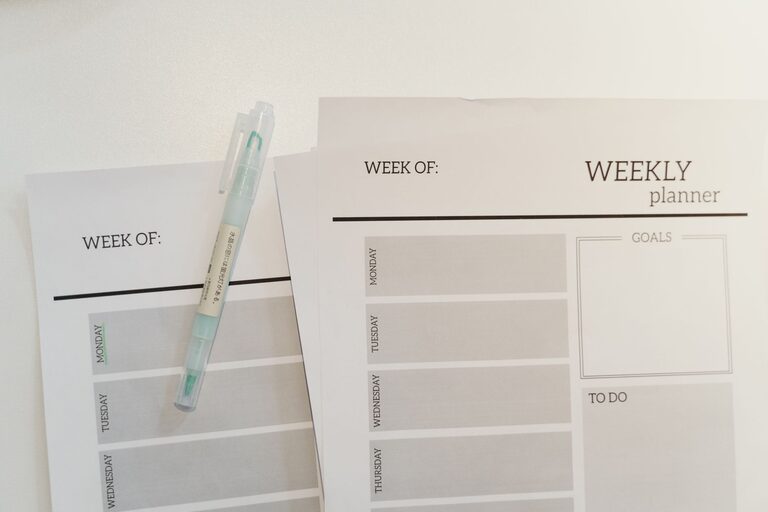
Setting weekly goals can help you turn big plans into clear, manageable actions. Instead of looking at everything you want to accomplish at once, you can focus on what matters most over the next seven days.
However, weekly planning can become stressful when your goals are too ambitious. A long task list may look productive, but it can leave you feeling disappointed when you cannot complete everything. Realistic goals give you direction while leaving enough room for unexpected tasks, rest, and changes in priority.
Why Realistic Weekly Goals Matter
A realistic goal is challenging enough to keep you engaged but practical enough to complete with the time and resources you have available.
When goals are realistic, you are more likely to:
– Make steady progress
– Stay focused on important work
– Build confidence through completed tasks
– Reduce stress caused by overplanning
– Create habits that last
– Adjust your plans without giving up
Weekly goals also create a useful connection between long-term plans and daily activities. A large goal may feel overwhelming, but a smaller weekly step can make it easier to begin.
Start With Your Bigger Priorities
Before writing your weekly goals, review your main responsibilities and longer-term objectives. These may include work projects, personal tasks, learning, health routines, or time with family and friends.
Ask yourself:
– What needs attention this week?
– Which tasks support my most important goals?
– Are there deadlines I need to prepare for?
– What would make this week feel successful?
– Which activities can wait until later?
Choose goals that connect to your current priorities. If a task does not support an important responsibility or need immediate attention, consider postponing it.
This step helps prevent a common planning mistake: filling your week with small, easy tasks while delaying the work that matters most.
Choose a Small Number of Main Goals
It is tempting to create a long list of weekly goals. However, too many goals can divide your attention and make it difficult to finish anything properly.
Try choosing between three and five main goals for the week. The right number depends on your schedule, energy, and responsibilities. Someone with a busy week may only have time for two major goals, while someone with more flexibility may be able to handle five.
Your goals should be specific enough to guide your actions. For example:
– “Work on the presentation” is unclear.
– “Create the presentation outline and complete the first five slides” is more precise.
Clear goals make it easier to recognize progress and decide what to do next.
Estimate the Time Each Goal Requires
A goal may sound manageable until you consider how long it will actually take. Estimate the time needed for each task before adding it to your weekly plan.
Break large goals into smaller steps and estimate each one separately. For example, preparing a report might include:
- Gathering information
- Organizing notes
- Writing a first draft
- Reviewing the draft
- Making final changes
If these steps take about six hours in total, do not schedule them during a week when you only have two available hours.
Remember that estimates are not always exact. Add extra time for interruptions, research, setup, travel, or revisions. A plan that includes no extra space is likely to become difficult as soon as something unexpected happens.
Check Your Actual Availability
Your calendar provides a more accurate picture of your week than your intentions do. Before finalizing your goals, review appointments, meetings, classes, household responsibilities, and other fixed commitments.
Then consider your available working time. A week with several scheduled events may offer less free time than it appears to have.
You can divide your available time into categories such as:
– Focused work
– Routine tasks
– Personal responsibilities
– Rest and recovery
– Flexible or open time
Avoid planning every available minute. Leaving open space allows you to handle delays and make thoughtful adjustments. It also protects time for rest, which can support better focus and consistent progress.
Turn Goals Into Actionable Tasks
A goal becomes easier to complete when it is connected to specific actions. Instead of writing only the desired result, list the steps required to reach it.
For example, the goal “organize my workspace” could become:
– Sort papers into keep, recycle, and review piles
– Clear the desk surface
– Store frequently used supplies nearby
– Create a place for unfinished work
– Spend five minutes cleaning at the end of each day
Actionable tasks reduce uncertainty. When you know the next step, you are less likely to delay starting.
Aim to make each task small enough to complete in one sitting whenever possible. If a task still feels too large, divide it again.
Set a Minimum and an Ideal Outcome
Not every week will go according to plan. A useful way to stay flexible is to define both a minimum outcome and an ideal outcome for each major goal.
For example:
– Minimum outcome: Write a basic outline for the project
– Ideal outcome: Complete the outline, first draft, and review
The minimum outcome gives you a realistic baseline for a busy week. The ideal outcome provides additional direction if you have more time or energy.
This approach helps you avoid an all-or-nothing mindset. Completing the minimum is still progress, even if you do not reach the ideal result.
Prioritize Your Weekly Tasks
Once you have a list of goals and tasks, rank them by importance. A simple priority system can help:
– High priority: Must be completed or started this week
– Medium priority: Important, but can move if necessary
– Low priority: Helpful extras that can wait
Schedule high-priority tasks first. Give them your best available time, especially if they require concentration or creative thinking.
You can also identify one “most important task” for each day. This gives your day a clear focus without requiring you to complete every task on your list.
Plan for Obstacles
Realistic planning includes the possibility of interruptions. Think about what might make your goals harder to complete and prepare a simple response.
Common obstacles include:
– Not having enough information
– Underestimating the time required
– Losing focus
– Unexpected requests
– Low energy
– Technical problems
For each likely obstacle, decide what you can do. You might gather materials in advance, schedule shorter work sessions, or move a flexible task to another day.
You do not need to predict every problem. The goal is simply to make your plan more adaptable.
Review Your Progress During the Week
Do not wait until the end of the week to check your progress. Take a few minutes midway through the week to review your goals.
Ask:
– What have I completed?
– What is currently in progress?
– What needs more time?
– Has anything become more important?
– What should I remove or reschedule?
If your priorities change, update your plan. Adjusting your goals is not a failure; it is a practical part of managing your time.
Reflect and Improve
At the end of the week, review what worked and what did not. Keep the reflection simple.
Consider:
– Which goals did I complete?
– Which tasks took longer than expected?
– What caused delays?
– Did I plan too much or too little?
– What should I change next week?
Use this information to improve future plans. If you consistently complete only half of your goals, reduce the number of goals or make them smaller. If you finish early, you can gradually add another priority.
The best weekly plan is not the most ambitious one. It is the one that helps you make meaningful progress while leaving enough flexibility for real life. By choosing a few clear goals, estimating your time honestly, and reviewing your plan regularly, you can create a weekly routine that is both productive and sustainable.
