
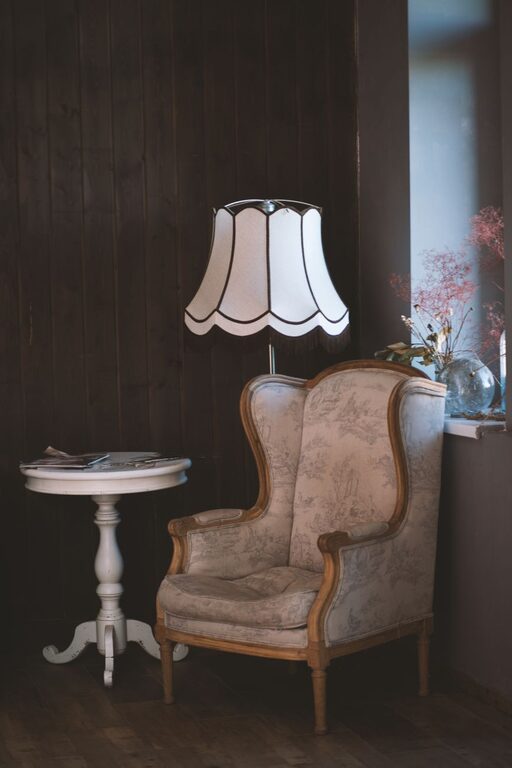
A cozy reading corner gives you a dedicated place to slow down, enjoy a good book, and take a break from daily routines. It does not need to be large or expensive. With the right location, comfortable seating, suitable lighting, and a few personal touches, you can create a peaceful space in almost any room.
Whether you have an entire room to work with or only a small corner beside a window, thoughtful choices can make the area feel inviting and practical. Here is how to design a reading corner that fits your home and your reading habits.
Choose the Right Location
Start by looking around your home for a spot that feels calm and comfortable. A reading corner can fit in many places, including:
– A quiet corner of the living room
– The space beside a bedroom window
– An unused area in a home office
– A wide hallway nook
– A corner of a guest room
– A section of a sunroom or enclosed porch
Natural light is helpful during the day, so a location near a window can be a good choice. However, avoid placing your chair where direct sunlight creates glare on the pages or causes the area to become too warm.
Consider how much noise and activity each location receives. A busy area may be convenient, but a quieter spot can make it easier to focus. If you live in a small home, choose a space that is not blocking walkways, doors, or storage areas.
Pick Comfortable Seating
The chair is the main feature of a reading corner, so comfort should be your first priority. Before buying anything, think about how you like to read. Do you prefer sitting upright, stretching out, or curling up with your feet tucked beneath you?
Good seating options include:
– An upholstered armchair
– A compact lounge chair
– A cushioned bench
– A small rocking chair
– A chaise lounge
– A floor cushion with back support
Try to select a chair with enough depth and support for longer reading sessions. A chair that looks attractive but feels uncomfortable will not get much use.
If your chosen seat is firm, add a cushion for extra comfort. A small footstool or ottoman can also help you relax by supporting your legs. For a flexible setup, choose an ottoman that doubles as storage.
Add the Right Lighting
Good lighting helps you read comfortably and makes the corner feel warm in the evening. Whenever possible, combine natural light with a dedicated lamp.
A floor lamp works well beside a larger chair and can provide broad, adjustable light. A table lamp is a good option if you have a side table. Wall-mounted lamps can save floor space in smaller rooms.
Look for lighting with:
– An adjustable arm or shade
– A warm, comfortable glow
– A stable base
– Easy-to-reach controls
– Enough brightness for reading
Place the light so it shines onto the page without creating harsh shadows. If you are right-handed, positioning the lamp slightly to your left may help reduce shadows from your hand. Reverse the placement if you are left-handed.
Avoid relying only on overhead lighting. Ceiling lights can be bright and practical, but they often make a reading area feel less relaxing. A nearby lamp creates a softer and more focused atmosphere.
Include a Small Surface
A side table gives you a convenient place for books, a reading journal, glasses, or a drink. It does not need to be large. A narrow table, small stool, or wall-mounted shelf may be enough.
Choose a surface that is close enough to reach without leaning too far from your chair. If space is limited, consider furniture that serves more than one purpose. A storage ottoman, nesting table, or slim console can add useful function without making the area crowded.
Try to keep the surface organized. A reading corner should feel restful rather than cluttered. Use a small tray or basket to group loose items and make tidying easier.
Create Simple Book Storage
Keeping a few favorite books nearby makes the reading corner more useful. You do not need a full bookcase if you are working with limited space.
Consider these storage ideas:
– A narrow bookcase beside the chair
– Floating shelves on a nearby wall
– A small rolling cart
– A basket for current reads
– A low cabinet beneath a window
– A stack of sturdy decorative boxes
Store the books you are currently reading or hope to read soon in the corner. This keeps the space connected to your routine without filling it with every book you own.
Make sure shelves and cabinets are properly secured, especially in homes with children or pets. Leave enough space around the furniture so the corner remains easy to access.
Use Soft Textiles
Textiles can quickly make a reading corner feel warmer and more inviting. Add a throw blanket over the arm of the chair or place a soft cushion behind your back.
A small rug can help define the reading area, especially if it shares space with a larger room. Choose a rug that fits beneath the chair and table, or place a smaller rug just in front of the seating.
Useful textile additions include:
– A supportive seat cushion
– A lightweight throw
– A washable area rug
– A small pillow
– Curtains or shades that soften strong daylight
Choose fabrics that are comfortable and easy to maintain. Washable covers and durable materials are practical choices for frequently used spaces.
Add Personal Details
The most appealing reading corners reflect the person using them. Include a few items that make the space feel like your own, but avoid adding so many decorations that the area becomes distracting.
Personal touches might include:
– A framed print
– A favorite small plant
– A decorative bookmark holder
– A simple clock
– A collection of meaningful objects
– Artwork inspired by books or nature
Plants can bring color and life to the space, while artwork can help establish the mood. If you prefer a quiet, minimal look, choose one or two standout pieces instead of several small decorations.
Color also plays an important role. Soft neutrals, earthy shades, muted blues, and gentle greens can create a calm feeling. You can add brighter colors through cushions, blankets, or artwork if you want the corner to feel more cheerful.
Keep the Space Clutter Free
A cozy reading corner should be comfortable, but it should also be easy to maintain. Give every item a designated place and remove anything that does not support the purpose of the area.
Use a small basket for magazines, notebooks, or reading accessories. Keep cords tucked away and make sure lamps are positioned safely. If the chair is in a shared room, choose furniture that complements the surrounding decor.
A quick reset at the end of the day can make a big difference. Return books to their shelf, fold the blanket, and clear the side table. These small habits help the corner remain ready whenever you want to read.
Make It Work for Your Routine
Think about how you plan to use the space. If you enjoy long reading sessions, prioritize ergonomic support, a footrest, and adjustable lighting. If you usually read for a few minutes at a time, a simple chair and side table may be all you need.
You can also make the corner more useful by adding a small notebook for favorite quotes, a bookmark dish, or a charging point for an e-reader. Keep these additions practical and limit them to items you use regularly.
Most importantly, design the space around comfort rather than trends. A reading corner does not need to look perfect to be successful. It should encourage you to sit down, put distractions aside, and enjoy time with a book.
Final Thoughts
Creating a cozy reading corner is a simple way to make your home feel more personal and welcoming. Start with a suitable location and comfortable seating, then add good lighting, convenient storage, soft textiles, and a few meaningful details.
Even a small space can become a relaxing retreat when each element has a purpose. With a little planning, your reading corner can become one of the most enjoyable places in your home.
